Comprehensive Guide to Choosing Carbon Fiber for Fishing Rods
Carbon fiber has transformed the fishing rod industry with its remarkable tensile strength, which often surpasses 3,500 MPa. This guide examines the diverse grades and specifications of carbon fiber used in fishing rods and compares them with alternative materials. We will explore essential factors buyers need to consider, such as cost-performance trade-offs, application-specific recommendations, and a decision matrix for selecting the most suitable option. For those seeking to buy carbon fiber for fishing rod products, understanding these components is critical.
Carbon Fiber Specifications and Comparisons
Technical Overview
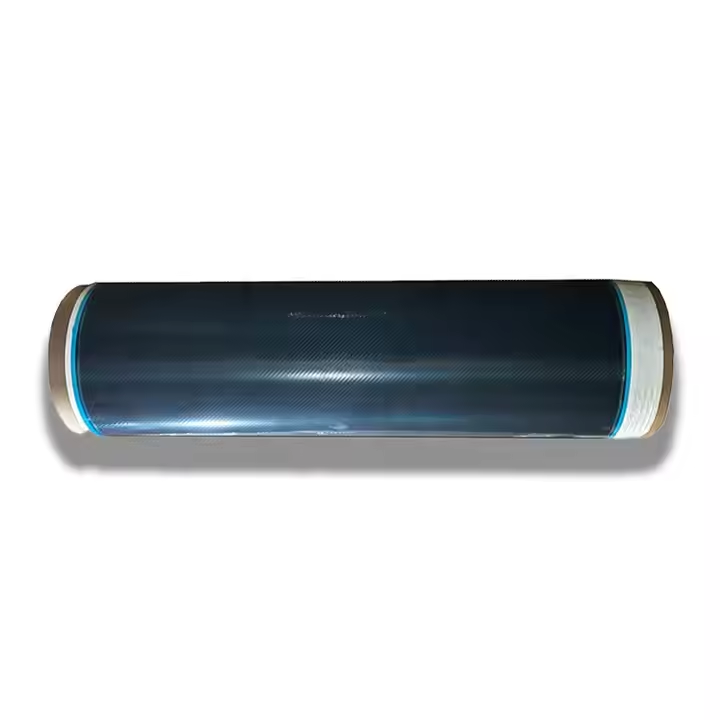
Carbon fiber is renowned for its high strength-to-weight ratio, with tensile strengths ranging from 3,500 MPa to 4,500 MPa and a density of about 1.6 g/cm³. This combination makes carbon fiber a prime material for fishing rods, offering durability without compromising on weight, thereby improving comfort and casting accuracy. For example, products like our 3K Twill Carbon Fiber Fabric are engineered for robustness, crucial for high-performance applications.
Materials in Comparison
When considering alternatives, fiberglass and aluminum are common competitors. Fiberglass rods are often more affordable but lack the sensitivity and lightweight nature of carbon fiber. Aluminum, while durable, tends to be heavier, leading to increased user fatigue. Carbon fiber’s modulus of elasticity, typically around 230 GPa, contributes to its superior sensitivity, enabling better detection of fish bites.
Applications and Suitability
Application-Specific Recommendations
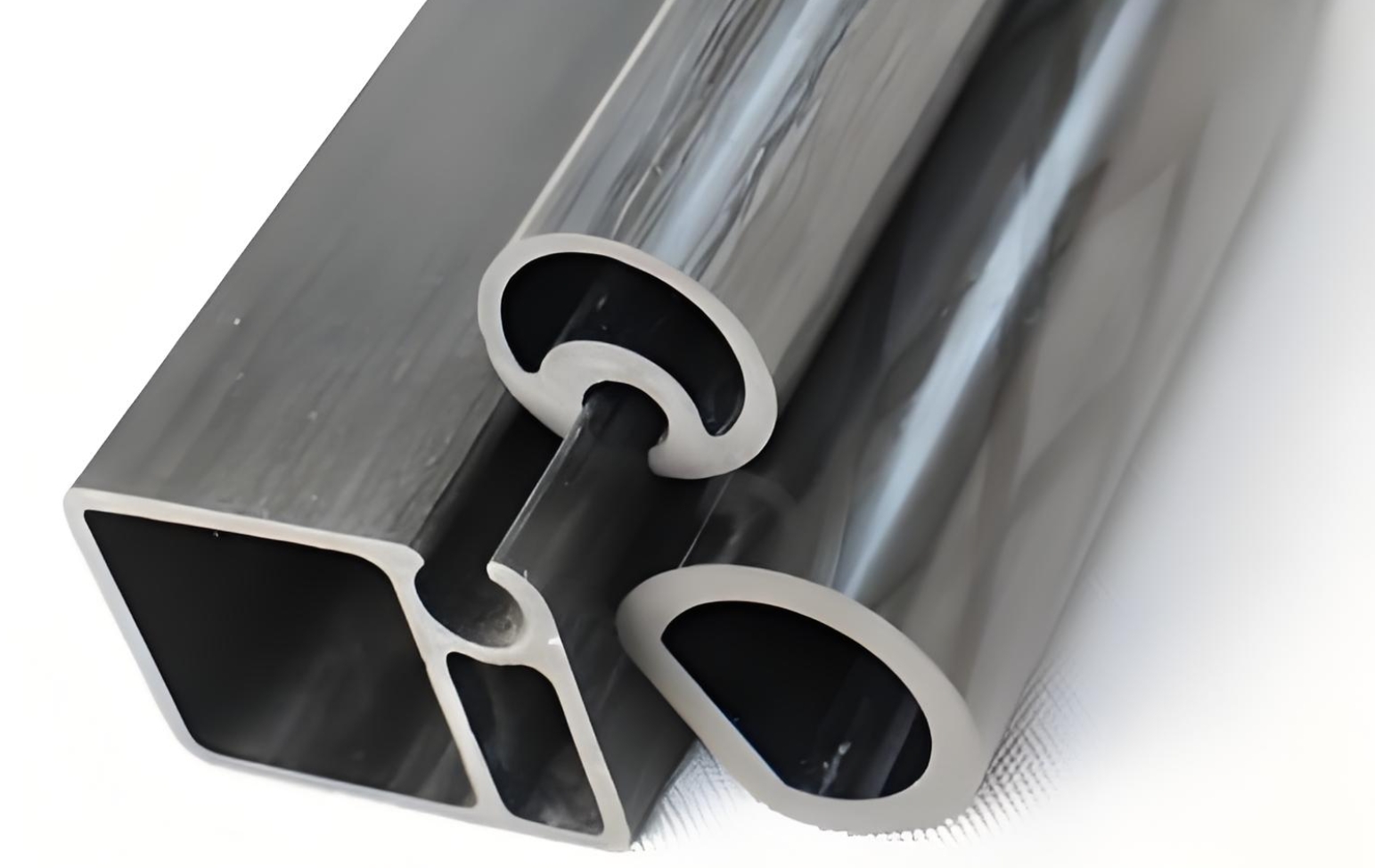
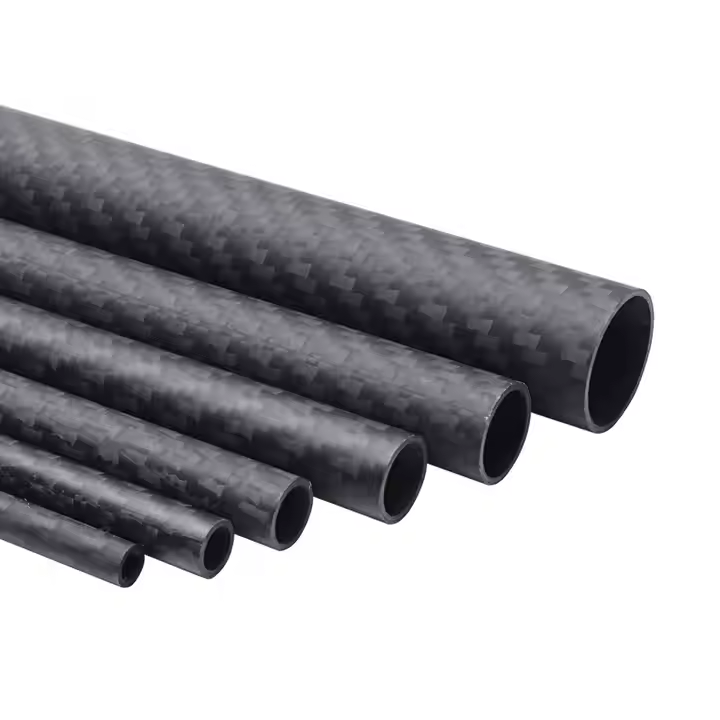
Carbon fiber fishing rods excel in a variety of settings, from freshwater to deep-sea environments. Their flexibility and strength are advantageous in diverse conditions. Customization options, such as the Customized Round CFRP Carbon Fiber Tube, enhance functionality and aesthetics, catering to specific customer preferences and fishing requirements.
Customization and Manufacturing Techniques
Manufacturers can leverage techniques like filament winding and tailored fiber placement to customize rod stiffness and action. Impact Materials offers a variety of finishes and structural options, enabling buyers to tailor products according to precise needs. Compliance with standards such as ISO 14125 and ASTM D3039 ensures that these customizations meet rigorous quality benchmarks.
Cost-Performance Trade-offs
| Material | Cost | Performance | Best Suited For |
|---|---|---|---|
| Carbon Fiber | Higher initial investment | High strength, lightweight, sensitive | Professional and avid anglers |
| Fiberglass | Lower cost | Moderate strength, less sensitive | Casual anglers |
| Aluminum | Moderate cost | Durable, heavy | Heavy-duty applications |
Quality Assurance and Selecting a Supplier
Ensuring Quality Standards
Buyers must prioritize quality assurance by selecting suppliers with ISO 9001 certification, which signifies adherence to international quality standards. Testing protocols such as ASTM D3039 for tensile strength and ISO 14125 for flexural integrity are critical in verifying product quality. Requesting a Certificate of Analysis (COA) ensures that the materials meet expected specifications.
Criteria for Supplier Selection
When selecting a supplier, consider their industry experience, breadth of product offerings, and customization capabilities. With over two decades of expertise and service in more than 120 countries, Impact Materials is an industry leader capable of fulfilling diverse customer requirements. We invite you to visit Impact Materials for carbon fiber for fishing rod solutions tailored to your specific needs.
Featured Carbon Fiber Products
Explore our curated selection of top-tier carbon fiber options for fishing rods, trusted by manufacturers worldwide.
For a comprehensive understanding of the materials and procurement options available, explore the full range of carbon fiber solutions offered by Impact Materials.